
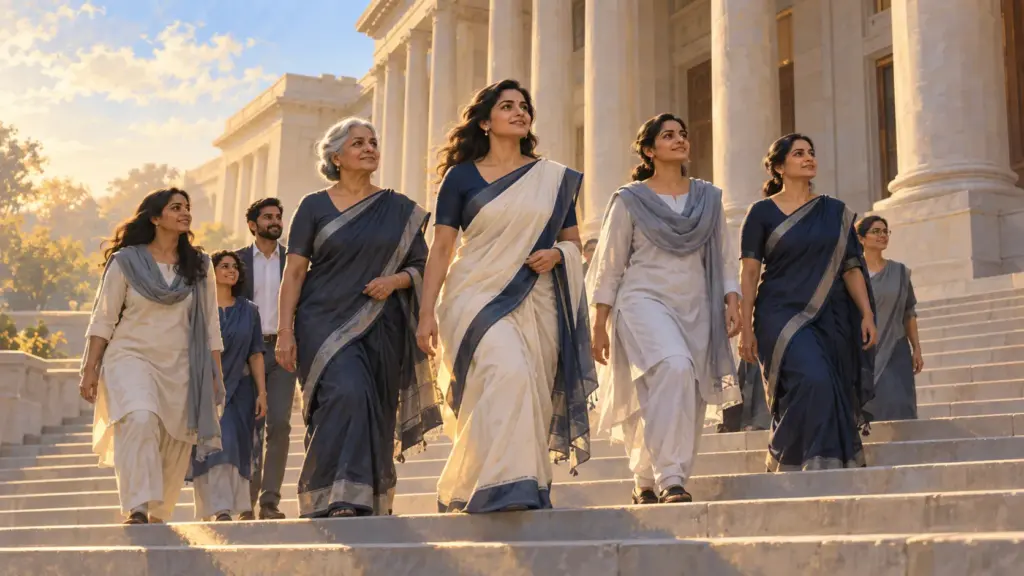
Women’s Reservation in the Lok Sabha and Assemblies
The law reserving a third of Lok Sabha and Assembly seats for women is in force, yet no seat is reserved. Here is what it covers and what it is waiting for.
The law reserving a third of Lok Sabha and Assembly seats for women is in force, yet no seat is reserved. Here is what it covers and what it is waiting for.
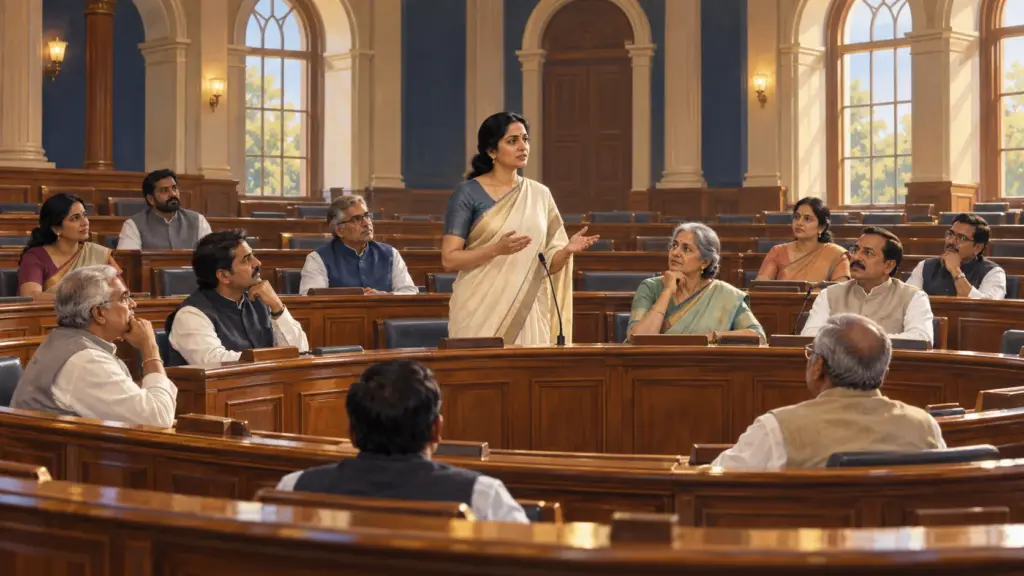
Only six states have a Legislative Council. Here is who sits in it, how members get there, and how graduates and teachers can vote for MLCs directly.
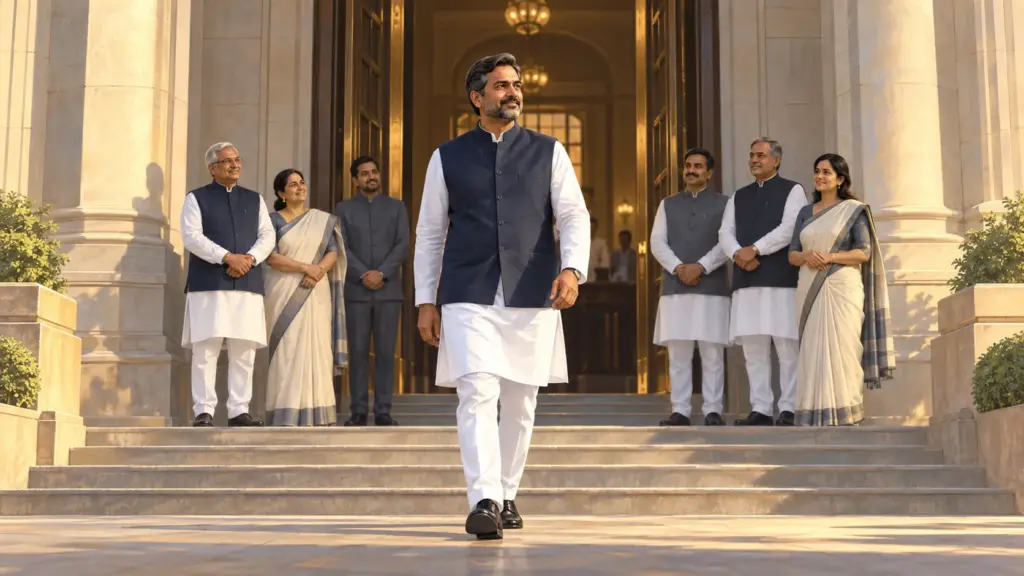
A conviction, an office of profit or defection can cost an MP or MLA their seat. Here is how each ground works, who decides, and what happens next.
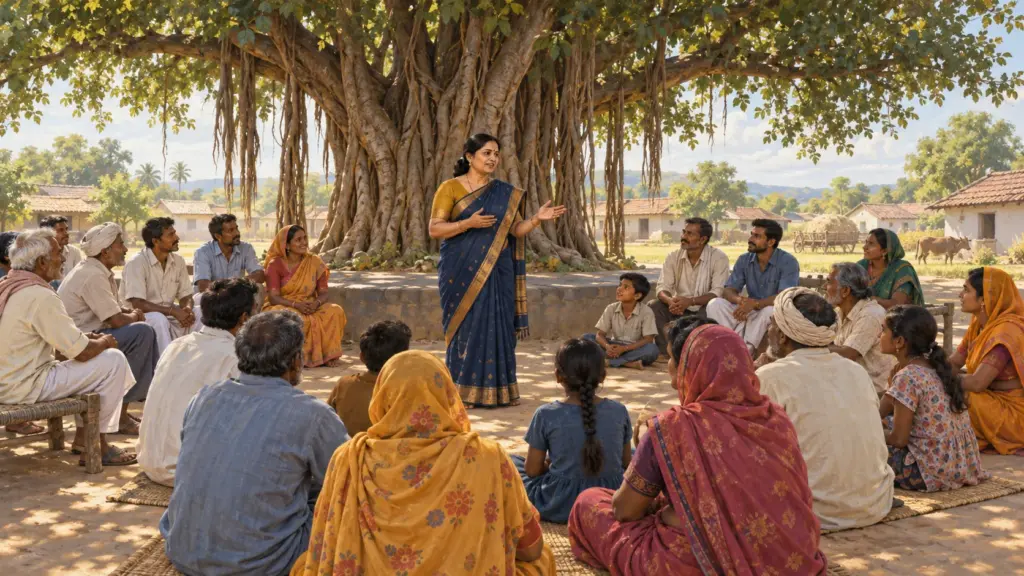
Your panchayat and ward elections are not run by the Election Commission of India. Here is who runs them, and why the rules and even the voter list can differ.
Between the notification and the last date, candidates file papers, declare their assets and criminal cases, and survive scrutiny. Many do not.
Candidates work to a legal spending ceiling. Parties do not, and that gap explains most arguments about election finance.
A by-election fills a single seat that fell vacant mid-term. The winner serves only the remainder of the original term.
A declared result cannot be reopened by the Election Commission. The only route is an election petition, and the rules are narrow.
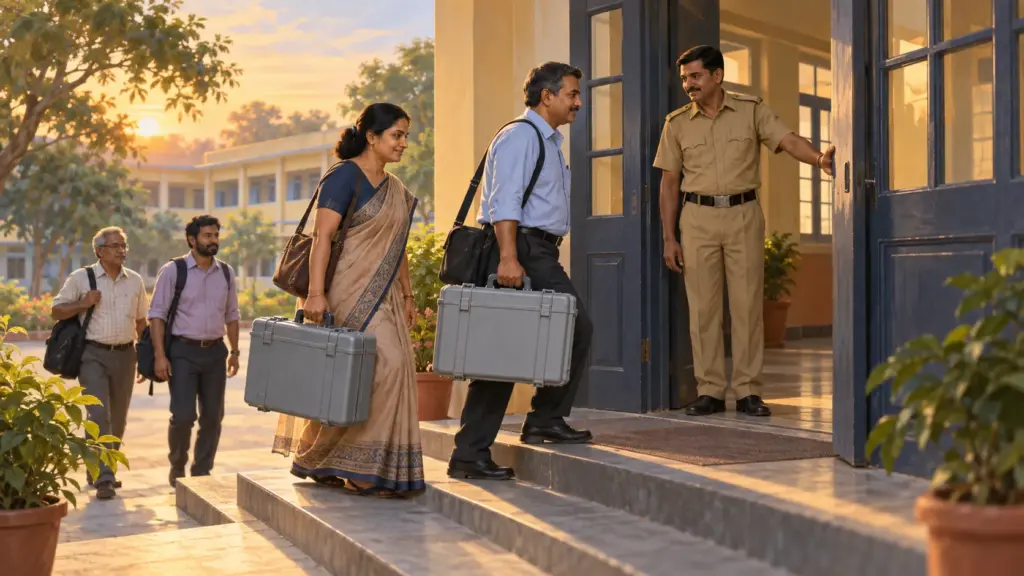
The EVM records your vote. The VVPAT prints a slip so you can see it was recorded correctly. Here is how the two work together.
The Tenth Schedule decides when an elected member loses their seat for switching sides, and it shapes how defections happen.
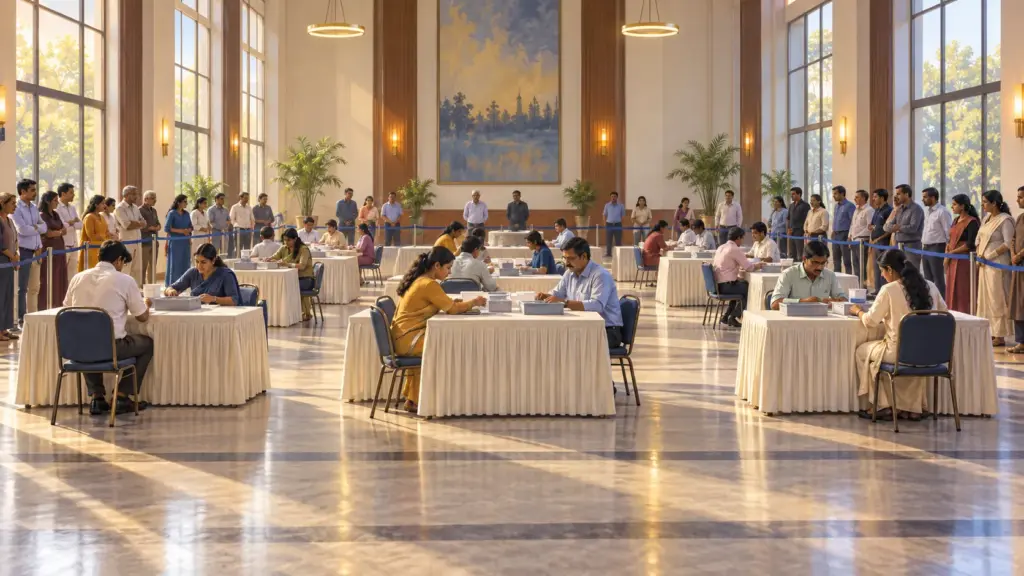
Counting day follows a fixed sequence: postal ballots, then EVM rounds, then mandatory VVPAT verification before the result is declared.
No party has a majority. What happens next is governed more by convention than by rules, and the floor test settles it.